
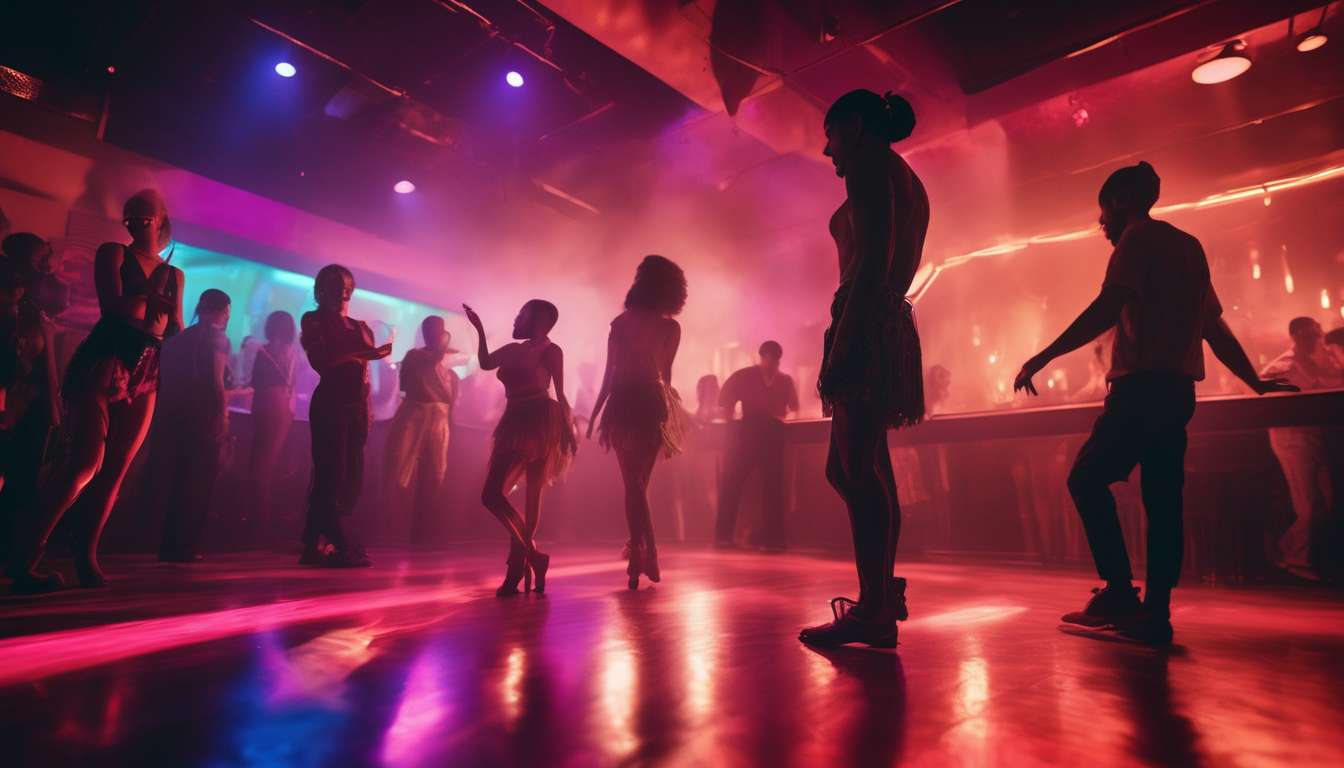
As cities reopen and nightlife rebounds, exotic dancing should be reexamined not as a fringe spectacle but as a vital lens on contemporary culture.
We track how shifting labor laws, pandemic-era safety norms, and gig-economy pressures reshape performers’ work and venues’ strategies.
We observe changing audience demographics and digital platforms amplifying both opportunity and surveillance.
We highlight policy debates about zoning and licensing that reflect broader tensions over morality, class, and urban renewal.
We listen to performers who navigate agency, stigma, and entrepreneurship, and to community members balancing economic vitality with neighborhood concerns.
We analyze media portrayals that oscillate between sensationalism and sympathy.
We situate nightlife within global trends of commodified intimacy and leisure economies.
Our aim is to map these intersecting forces with nuance, centering lived experience and empirical insight so readers can reconsider exotic dancing and nightlife as complex, consequential sites of cultural change.
Urban Nightlife Dynamics
In cities around the world, nightlife shapes social rhythms, economic activity, and urban identity after dark.
We navigate scenes where exotic dancing, music venues, and late-night hospitality create spaces that welcome us, remind us we belong, and knit neighborhoods together.
Strip club regulation intersects with community values, public safety, and the rights of performers, shaping which venues survive and how they’re perceived.
The rise of the gig economy enables flexible, informal work patterns that let many participate in nightlife economies on their own terms, though not without uncertainty.
Digital platforms are changing how nights out are planned:
- Reservation apps
- Social media pages
- Review sites
These tools connect patrons, performers, and promoters, helping people find each other and build trust.
As a collective, we value inclusive, well-regulated nighttime spaces that foster social connection and economic opportunity while respecting the dignity of everyone involved.
Labor and Legal Shifts
Many jurisdictions are changing labor laws and licensing rules, and we’re seeing how those shifts affect performers’ rights, workplace safety, and venue operations.
We’re committed to understanding how updated strip club regulation intersects with broader labor trends so everyone in our community feels protected and valued.
We note that reclassification of workers, minimum-wage debates, and licensing compliance reshape daily realities for dancers, DJs, and staff.
We also recognize the rise of the gig economy and how independent contracting influences bargaining power and benefits access.
Together, we examine models that sustain collective voice, so members can claim fair pay and clear grievance paths:
- Cooperative management models — performers share governance and revenue to increase stability and agency.
- Local advocacy and organizing — building relationships with community groups, unions, and policymakers to advance protections.
- Hybrid approaches — combining formal worker representation with flexible contracting where appropriate.
Digital platforms add both opportunity and risk:
- Opportunities: expanded audiences, new income streams, and direct fan relationships.
- Risks: privacy concerns, content-rights disputes, and limited platform accountability.
We want policies that balance innovation with safety, enabling venues and performers to thrive without sacrificing dignity.
We’re pushing for:
- Transparent rules —Clear licensing and labor standards that are easy to understand and apply.
- Community-led enforcement — Mechanisms for performers and staff to participate in monitoring and compliance.
- Legal frameworks reflecting shared needs — Regulations that recognize diverse work arrangements while protecting core rights (wages, safety, grievance access, and privacy).
Pandemic-Era Adaptations
During the pandemic we adapted quickly. We shifted shows online, rethought safety protocols, and created new revenue streams to keep performers working and protected.
We formed mutual aid networks and shared practical resources.
- We provided clear guidance on local strip club regulation changes.
- We pooled funds when venues closed.
We focused on practical safety and documentation.
- Which PPE worked.
- How to stagger shifts.
- How to document closures for relief claims.
We leaned into community care.
- Checking on mental health and childcare needs.
- Navigating fragmented gig-economy protections.
We negotiated with venue owners for better conditions.
- Hazard pay and flexible booking.
- Insisting performers had a voice in reopening plans.
We experimented with hybrid event models.
- Limited in-person nights with strict capacity and contact tracing.
- Paired those with other income options so no one felt forced into unsafe choices.
We tracked policy changes and translated them into usable guidance. We learned to read updates quickly and provide straightforward answers for peers who needed them.
Outcome: Together we preserved dignity, income, and safety, and we kept doors open for when nightlife could fully return.
Digital Platforms’ Impact
Many performers moved quickly onto livestreaming sites and subscription platforms, reshaping how we earn, connect with audiences, and control our content.
Digital platforms create new pathways that lessen reliance on traditional venues and offer community-building tools that help us support one another.
In the gig economy, we’re juggling multiple income streams while negotiating platform fees and visibility algorithms.
- Income streams include: tips, private shows, subscription fees.
- Challenges include: platform fees and algorithm-driven visibility.
The shift to digital doesn’t erase concerns about offline worker protections and regulations.
- Ongoing issues: strip club regulation, zoning, and worker protections.
- Response needed: advocate for coherent policies that reflect hybrid (online + offline) work realities.
We’re building platform literacy together — safety settings, payment alternatives, and brand building — and sharing best practices so nobody navigates changes alone.
- Community actions: peer groups, knowledge-sharing, and mutual support.
Digital platforms have expanded reach and autonomy, but they also demand solidarity to influence fair rules and platform accountability.
By organizing across online and physical spaces, we protect income, dignity, and the sense of belonging that keeps our community resilient.
Audience Demographic Changes
More people from different ages, backgrounds, and locations are tuning in, and we’re noticing shifts in what they expect, pay for, and how they interact with performers.
We see newcomers seeking safe, welcoming spaces where they belong, and regulars whose habits evolve with changing norms.
As audiences diversify, we adapt our observations:
- Younger patrons favor experiences mediated by digital platforms.
- Older attendees value in-person rituals that signal membership.
We also track how the gig economy reshapes participation—more performers juggle multiple income streams, and audiences connect with them beyond club walls.
That blurs lines between private fandom and public nightlife.
Conversations about strip club regulation now surface in unexpected circles, as communities weigh safety, labor rights, and access.
We focus on how demographic change fosters new social codes:
- Mutual respect.
- Transparency about transactions.
- Shared norms that make nightlife feel inclusive.
By centering belonging, we highlight practical shifts in behavior and expectation without losing sight of broader cultural implications.
Policy and Zoning Debates
Many cities are debating where adult entertainment belongs, and we’re tracking how zoning, licensing, and community pressure reshape who can operate and where.
We see neighbors, workers, and proprietors coming together to shape rules that affect daily life and livelihoods.
In conversations about strip club regulation, we’re careful to center safety, equity, and access to legal recourse so workers feel included rather than pushed out.
We note how the gig economy and shifting work patterns influence employment in nightlife:
- Performers juggle multiple income streams.
- They seek predictable, respectful conditions.
Digital platforms complicate matters further by enabling promotion, bookings, and virtual performances that cross municipal lines, challenging traditional zoning frameworks.
We advocate for policies that recognize both physical venues and online work, and for licensing systems that are transparent and nonpunitive.
By listening and sharing practical research, we aim to support communities crafting solutions that balance neighborhood concerns with workers’ dignity and economic opportunity.
Media Representation Trends
Across coverage we examine how media portrayals of exotic dancing shape public perceptions, influence policy debates, and affect performers’ safety and economic opportunities.
We notice patterns: sensational stories often reinforce stigma, while community-centered reporting highlights dignity and labor concerns.
By foregrounding voices from clubs and online spaces, we can counter headlines that drive punitive strip club regulation rather than evidence-based responses.
We also see how narratives about the gig economy intersect with nightlife coverage, framing dancers either as precarious workers or moral problems depending on outlet biases.
Digital platforms compound this dynamic:
- Algorithms amplify certain images and silence nuanced discussion.
- Algorithms also offer performers channels to tell their own stories and build supportive networks.
As researchers and readers seeking connection, we commit to elevating balanced portrayals that inform policymakers, reduce harm, and recognize shared humanity.
We want media that fosters informed debate, promotes safety, and supports inclusive policy choices rather than perpetuating alienation.
Performers’ Agency and Economy
We examine how performers exercise agency within a market that shapes pay, safety, and long-term economic mobility.
Agency is not just individual grit; it is collective negotiation.
It operates amid strip club regulation, venue rules, and customer norms.
Shared strategies performers use to protect income and wellbeing:
- Shifting shifts to cover high-demand times and reduce individual exposure.
- Pooling tips to smooth earnings variability and support peers.
- Advocating for clearer contracts and transparent pay practices.
The gig economy presents both threats and opportunities.
- Flexible schedules can accommodate caregiving, schooling, or other responsibilities.
- Unpredictability pressures performers to accept unsafe or exploitative conditions to maintain income.
Digital platforms are leveraged to diversify revenue and build community—while posing risks.
- Benefits: alternative income streams, direct fan relationships, and community organizing.
- Risks: sudden platform policy changes that can erase income overnight; algorithmic visibility that favors some performers over others.
Policy priorities that would support safety, transparency, and economic dignity:
- Sensible strip club regulation that prioritizes worker safety and clear labor standards.
- Accessible legal resources and education about rights and contracts.
- Benefits models and social protections tailored to nontraditional or gig-based work.
The vision: belonging and collective power.
Performers supporting each other, claiming fair value, and shaping systems that respect labor, autonomy, and futures beyond tonight’s shift.
How do exotic dancers reconcile personal cultural or religious beliefs with their work in nightlife spaces?
We’re asking how exotic dancers reconcile personal cultural or religious beliefs with their work in nightlife spaces.
We acknowledge complexity, respect diverse paths, and avoid judgment.
We balance values by:
- Setting boundaries.
- Negotiating meanings.
- Creating supportive communities.
We reinterpret traditions, prioritize autonomy, and seek spiritual practices that fit our lives.
We lean on:
- Peer networks
- Counseling
- Selective engagement
to maintain integrity while sustaining livelihoods.
What are the long-term physical and mental health effects unique to exotic dancers that aren’t typically discussed in labor or pandemic sections?
Short answer: Exotic dancers face several long-term physical and mental health effects that are frequently omitted from labor and pandemic conversations. These include chronic musculoskeletal problems, pelvic floor dysfunction, vocal strain, persistent sleep disorders, ongoing anxiety and hypervigilance related to stigma and safety threats, and complex trauma responses from repeated boundary violations.
Physical health — primary issues
-
Chronic musculoskeletal pain and overuse injuries
- Repetitive, high‑load movements (hip thrusts, back arches, lifts, sustained high heels) lead to chronic low back pain, hip joint irritation, sacroiliac dysfunction, and tendonitis (hip flexors, adductors, hamstrings, rotator cuff).
- Microtrauma and compensatory movement patterns can produce altered gait, pelvic tilt, and chronic regional pain syndromes.
- Long-term consequences can include early-onset osteoarthritis in weight-bearing joints and persistent myofascial pain.
-
Pelvic floor strain and pelvic health problems
- Repeated pelvic thrusts, prolonged standing, and performance positions can strain pelvic floor muscles, causing weakness, overactivity (spasm), or dyssynergia.
- Outcomes can include urinary urgency or incontinence, pelvic pain, sexual pain or dysfunction, and bowel dysfunction.
- These issues are often underrecognized because they sit at the intersection of sexual work stigma and gynecologic/urodynamic care gaps.
-
Chronic vocal strain
- Long shifts that require projecting voice over music or crowds, frequently in noisy environments, predispose to node formation, laryngitis, and chronic dysphonia.
- Compounded by smoking, alcohol, and irregular rest, vocal changes can become persistent and affect nonwork life.
-
Other physical concerns
- Long‑term consequences of repeated falls or slip injuries while performing.
- Skin and soft tissue injuries (abrasions, burns from hot surfaces or props).
- Consequences of prolonged high heels: forefoot pain (metatarsalgia), hallux valgus, Achilles shortening.
Sleep and circadian disruption
- Compounded sleep disorders
- Irregular, nocturnal schedules increase risk of chronic insomnia, delayed sleep phase, fragmented sleep, and daytime sleepiness.
- Cumulative sleep deprivation worsens pain perception, mood disorders, immune function, and metabolic risk (weight gain, glucose intolerance).
- Sleep problems are frequently minimized in policy discussions despite major downstream health effects.
Mental health — core issues
-
Persistent anxiety, hypervigilance, and safety‑related stress
- Regular exposure to harassment, boundary violations, and safety threats produces ongoing anxiety, hypervigilance, and autonomic arousal.
- These states can persist even when dancers are not at work, affecting relationships, concentration, and ability to relax.
-
Complex trauma responses and moral injury
- Repeated boundary challenges (sexual demands, touching without consent, transactional coercion) can produce complex trauma symptoms: emotional numbing, dissociation, shame, mistrust, and difficulties with affect regulation.
- These responses may not meet single‑event PTSD criteria yet cause long‑term functional impairment and are often unnamed in mainstream labor narratives.
-
Stigma‑related mental health burden
- Social stigma and criminalization contribute to chronic shame, social isolation, and barriers to accessing healthcare or social support.
- Stigma increases reluctance to seek help for physical or mental health issues, delays diagnosis, and compounds comorbidity.
How these problems are commonly overlooked
- Clinical and policy blind spots
- Research and labor policy often focus on acute safety (violence prevention) or financial aspects (wages), not cumulative overuse injuries, pelvic health, or complex trauma.
- Pandemic conversations emphasized income loss and infectious risk but rarely addressed the long‑term musculoskeletal, pelvic, sleep, and voice consequences of altered work patterns (e.g., outdoor sets, masked performances, prolonged strain).
- Stigma discourages disclosure to clinicians; providers may lack training to ask about work‑specific exposures.
Practical steps to recognize and address these issues
-
Workplace and individual strategies
- Ergonomic adjustments: modify routines to reduce repetitive high‑load positions, use stage surface treatments, and schedule micro‑breaks.
- Footwear strategies: alternate heel heights, use supportive insoles, and perform ankle/ calf stretching to reduce Achilles and forefoot strain.
- Voice care: vocal hygiene, amplification options, scheduled rest, and access to speech pathology if persistent hoarseness develops.
- Pelvic health care: pelvic floor physiotherapy that addresses both overactivity and weakness; bladder and bowel evaluation when symptoms arise.
- Sleep hygiene tailored to night work: strategic light exposure, consistent sleep routines, naps, and limiting stimulants before sleep.
- Safety measures and boundaries: venue policies, security staffing, clear rules about touching, and exit strategies to reduce repeated boundary violations.
-
Clinical and community recommendations
- Train clinicians to ask nonjudgmental, specific occupational questions about performance movements, footwear, pelvic symptoms, sleep patterns, voice changes, and safety exposures.
- Expand access to multidisciplinary care (physiotherapy, pelvic floor specialists, sleep medicine, voice therapy, trauma‑informed mental health).
- Fund research on long‑term occupational health outcomes specific to exotic dance and sex work.
- Reduce stigma in health services through education and confidentiality protections to increase care-seeking.
Bottom line: Many long‑term effects unique to exotic dancers — chronic musculoskeletal and pelvic floor problems, sustained vocal injury, sleep disorders, persistent anxiety/hypervigilance, and complex trauma from repeated boundary violations — are underrecognized in labor and pandemic discussions. Addressing them requires occupationally specific clinical screening, trauma‑informed care, ergonomic and schedule interventions, and stigma reduction in policy and healthcare.
How do family relationships and parenting responsibilities influence dancers’ career decisions and mobility within the industry?
Family ties and parenting shape dancers’ choices and movement in the industry.
Caregiving demands, custody schedules, and stigma push dancers toward work that supports family responsibilities.
- They favor stable venues, daytime shifts, or local gigs to remain present for their children.
Decisions about secrecy or disclosure to partners and kin influence mobility and advancement.
- Negotiating whether to disclose occupation affects opportunities for travel, relocation, and promotion.
Reliance on informal support networks determines ability to relocate or persist in the industry.
- When supports falter, dancers often limit relocation or exit for predictable, family-centered work.
Conclusion
You’ve seen how exotic dancing and nightlife shape—and are shaped by—urban life, law, economics, and culture.
You’ll recognize performers’ strategies for agency amid changing labor rules, pandemic pivots, and platform-driven markets.
As audiences and media narratives shift, you’ll weigh policy and zoning choices that affect safety and livelihoods.
Going forward, you’ll need research-informed, nuanced approaches that balance:
- Regulation
- Equity
- The creative economies that keep nightlife vibrant and resilient