
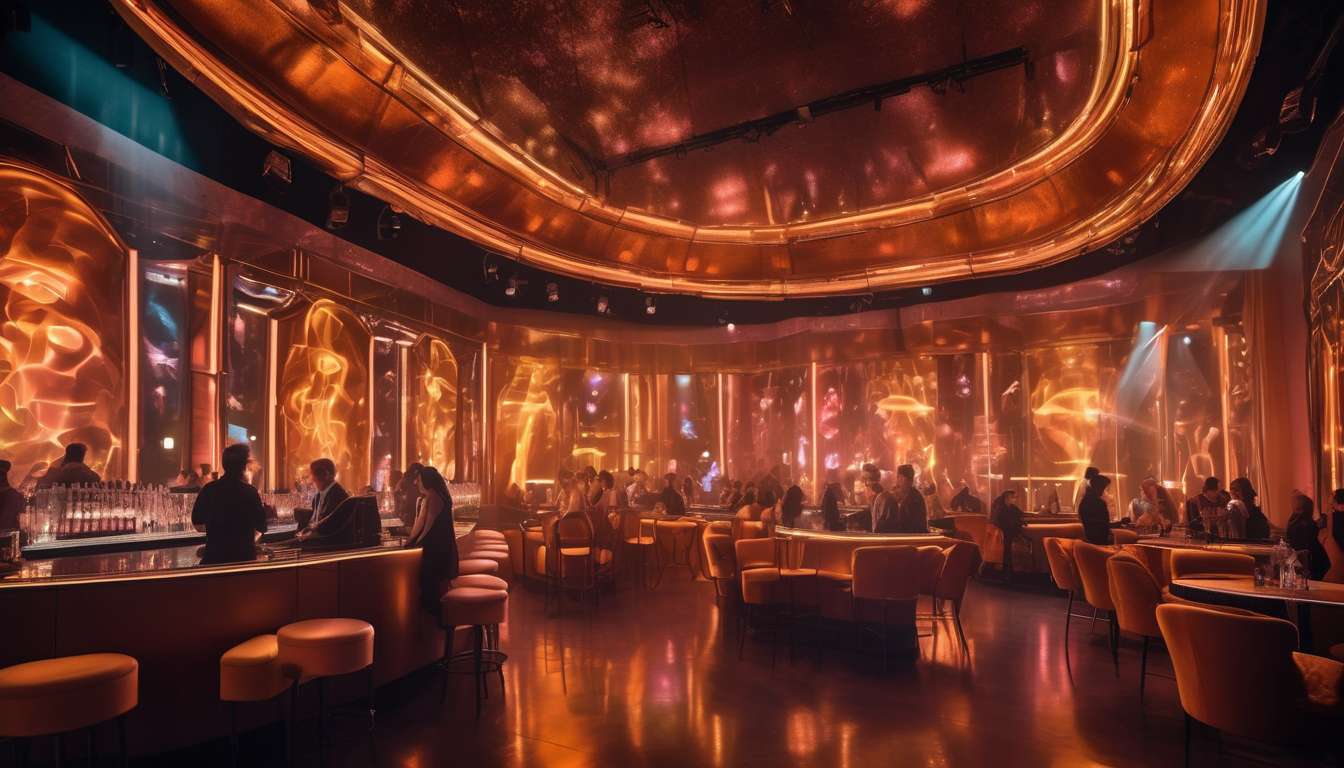
Unbelievably, 72% of patrons report choosing venues based on atmosphere and personalized service rather than price.
This shift is reshaping exotic dancing venues, pushing owners and performers to rethink every touchpoint of the customer journey.
Key areas now competing with choreography for guest satisfaction:
- Lighting design
- Music curation
- Digital booking
- Staff training
Venues that prioritize empathy, safety, and seamless omnichannel experiences attract loyal, higher-spending clientele.
Performers are adapting by:
- Offering bespoke interactions.
- Leveraging personal branding to deepen engagement.
This article unpacks the customer experience trends transforming the industry:
- Why ambience and technology matter.
- How consent-forward policies build trust.
- What metrics truly measure success.
Approach: By combining data, practitioner insight, and real-world examples, we aim to equip venue managers, performers, and experience designers with actionable strategies to elevate both patron enjoyment and performer well-being.
Atmosphere and Ambience
Lighting: tune to flatter, keep sightlines clear
We prioritize lighting that flatters performers while maintaining clear sightlines so patrons never feel disoriented.
- Balance brightness to highlight performers without creating glare.
- Use directional and layered lighting to preserve visibility for staff and security.
- Employ reserved-table cues (subtle uplighting or color accents) to confirm bookings without breaking mood.
Sound: energize without drowning conversation
We set sound levels and acoustic design so music energizes the room but still allows conversation and connection.
- Calibrate speaker placement and equalization to avoid hotspots and overwhelming bass.
- Create quieter zones with sound-absorbing materials for groups who want to talk or for first-time visitors.
- Provide clear cues for transitions (e.g., show start/end) that are audible but not disruptive.
Layout and circulation: reduce bottlenecks, protect privacy
We arrange seating and circulation to reduce congestion, maintain privacy when needed, and create purposeful zones for mingling or quieter observation.
- Design multiple circulation paths to prevent crowding around stages and service areas.
- Zone the space for different social modes: active performance areas, semi-private tables, and calm observation spots.
- Position staff/service stations for quick, discreet assistance without cutting through guest interactions.
Decor and performer branding: align expectations
We choose decor, costumes, stage design, and promotional visuals so artists and audience share expectations about the experience.
- Use consistent visual language (colors, textures, signage) that supports performer brands.
- Ensure stage sightlines, costume-appropriate fixtures, and backstage flow support performers’ needs.
- Update promotional and in-venue graphics so messaging matches the on-floor atmosphere.
Digital cues and reservation integration: subtle confirmations
We integrate booking and digital signals into the ambience to confirm reservations and guide service without disrupting mood.
- Employ low-profile table lighting, discreet displays, or mobile prompts that only signal to relevant guests and staff.
- Sync reservation status with lighting/seat indicators to streamline seating and reduce errors.
- Keep interfaces unobtrusive and consistent with the venue’s aesthetic.
Outcome: trust, consistency, and belonging
These design choices foster a practical, communal approach where guests perceive thoughtful care for safety and comfort, performers experience consistent presentation, and everyone feels included.
- Clarity and consistency reduce anxiety for new visitors.
- Thoughtful details build trust between guests, performers, and staff.
- A coherent, respectful atmosphere encourages repeat visits and a stronger community.
Personalized Service Models
We tailor service levels and interactions to individual guests and performers so every visit feels intentionally curated and respectful.
We listen first.
- We use digital booking notes and past-visit preferences to greet members in ways that reinforce belonging.
- This ensures greetings and small talk align with guests’ expectations and comfort levels.
Floor staff and management coordinate with performers on branding.
- We confirm preferred stage names, signature services, and presentation choices.
- This coordination makes interactions feel authentic and safe for both guests and performers.
Team training focuses on reading cues and honoring boundaries.
- Staff learn to adapt pacing and service style based on real-time cues.
- This reduces awkward moments and improves overall customer experience.
We offer tiered membership options.
- Bundled seating, private time, and curated playlists.
- Clear choices let guests select their level of engagement without pressure.
Feedback loops are concise and actionable.
- Quick post-visit surveys.
- Scheduled check-ins.
- Private channels for performers to share needs.
We use touchpoint data to inform operations while protecting privacy.
- Data informs staffing, schedules, and promotional offers.
- Privacy protections are applied to sensitive performer and guest information.
By connecting thoughtful human service with streamlined digital booking and clear performer branding, we create a predictable, welcoming space.
This environment supports trust-building and meaningful repeat interactions between guests and performers.
Lighting and Sound Design
We design lighting and sound to support mood, clarity, and safety so every performance feels immersive, comfortable, and professionally presented.
We calibrate color palettes, beam angles, and audio levels to create spaces where guests and performers feel included.
- Consistent cues help regulars recognize their favorite acts.
- Newcomers relax into the room when visual and sonic language is welcoming.
We balance dramatic spotlights with soft ambient washes so performer branding reads clearly without overwhelming intimacy or safety protocols.
- Spotlights highlight performer identity and focal points.
- Ambient washes preserve sightlines and audience comfort.
We use directional audio and optimized speaker placement to keep music rich onstage and conversational volumes at seating.
- Protects staff and patrons from excessive levels.
- Enhances the customer experience by separating stage energy from audience comfort.
We provide lighting presets tied to show segments so performers control their look quickly between sets.
- Reinforces performer identity.
- Reduces downtime and smooths transitions.
We document scenes and cues so teams reproduce successful nights and iterate with performer feedback.
- Creates a shared language that strengthens community.
- Enables reliable consistency across shows.
We integrate systems that can reference digital booking schedules for rough planning, while keeping live control flexible.
- Use schedule-aware presets for efficient setups.
- Allow technicians and artists to adapt in real time to the crowd’s energy.
Digital Booking Experiences
We streamline online booking so guests can reserve tables, purchase entry, and request seating preferences quickly and reliably.
We design digital booking flows that feel familiar and inclusive, reducing friction so everyone feels welcome before they even arrive.
Our systems tie reservations to performer branding and show schedules, so patrons can choose nights that align with their favorite artists while protecting privacy and comfort.
We prioritize transparent pricing, clear cancellation terms, and concise confirmations that build trust and belonging.
We collect only necessary info, use secure payments, and offer accessible interfaces so the customer experience is seamless for diverse guests.
Real-time availability and waitlist notifications keep attendees informed, and integrated feedback prompts help us adapt offerings and performer branding in ways that honor talent and audience.
By centralizing bookings, promotions, and seat maps, we create predictable, respectful nights where community forms naturally.
We measure and iterate on digital booking metrics to ensure the platform strengthens relationships between venue, performers, and patrons.
Consent-Forward Policies
We build consent-forward policies that require explicit, revocable permission for interactions, recordings, and data use so everyone feels safe and respected.
We prioritize clear, plain-language consent prompts across digital booking flows and at venue touchpoints, so patrons and performers know what’s allowed and what isn’t.
We make consent part of the customer experience, not an afterthought, linking choices to performer branding and privacy preferences so talent can control how they’re presented and recorded.
We use simple toggles and receipts that document permissions and expiration, ensuring consent can be withdrawn instantly without friction.
We treat data collected through digital booking as conditional—used only for agreed purposes like reservations, communications, or personalized offers, and deleted or anonymized when consent ends.
We foster a community where boundaries are respected, questions are welcomed, and everyone belongs.
By centering consent, we protect dignity, reinforce performer branding integrity, and build trust that keeps customers returning.
Staff Training Programs
We will train staff regularly on consent-centered service, de-escalation, cultural competency, and privacy best practices so they can confidently protect boundaries and enhance every guest interaction.
Onboarding will be inclusive and empathy-centered, with clear policies and role-specific skills so everyone feels seen and supported from day one.
Training format blends scenario practice with peer-led sessions, emphasizing how respectful touchpoints improve customer experience and reinforce performer branding.
We will coach hosts, security, and front-of-house on language that affirms performer autonomy, while guiding patrons toward safe, enjoyable participation.
Ongoing workshops will update teams on evolving norms, accessible communication, and digital booking etiquette, enabling staff to manage online reservations and guest questions with warmth and consistency.
We will measure competency through observed interactions and direct feedback loops, then adapt curricula collaboratively.
By investing in people-first development, we build a workplace grounded in dignity and clear expectations, where performers, staff, and guests belong, trust one another, and share responsibility for a respectful, elevated venue culture.
Metrics and Analytics
We’ll track a focused set of quantitative and qualitative indicators.
Attendance patterns, tip and spend metrics, incident reports, and satisfaction feedback will be monitored to pinpoint what’s working and where to improve.
We gather data respectfully and transparently.
This ensures everyone feels included in the process and understands how insights will be used.
We analyze customer experience scores alongside operational figures to spot trends.
- Which nights draw consistent crowds
- Which promotions lift average spend
- Where wait times erode satisfaction
We tie digital booking metrics into the picture.
- Abandonment rates
- Lead times
- Repeat reservations
The aim is to streamline access and reduce friction for guests and staff.
We monitor incident reports to protect safety and trust.
These are paired with anonymous satisfaction comments to surface emotional responses and contextualize issues.
We track performer-branding impact on engagement (without detailing tactics).
The goal is to see how visibility correlates with bookings and tips.
We share dashboards with staff, invite feedback, and iterate together.
This collaborative approach helps the community grow stronger and more welcoming.
Performer Branding Strategies
We build clear, distinctive performer identities that align with venue values and make it easy for guests to connect, book, and tip.
We craft performer branding that feels authentic and inclusive, so everyone in our room recognizes a familiar presence and knows how to support them.
We define visual cues, signature moves, and personality notes that translate across social media, signage, and the digital booking interface.
We train performers to present consistent bios and imagery, so customer experience stays seamless from discovery to arrival.
We integrate performer stories into our apps and profiles, highlighting specialties and boundaries to foster trust and belonging.
We encourage collaborative content—Q&As, behind-the-scenes clips, and curated playlists—that invites guests into a shared culture without compromising safety.
We measure engagement, booking conversion, and tip trends to refine messaging and scheduling.
We make performer branding operational:
- Clear profiles — standardized bios, photos, and specialties for easy discovery.
- Easy digital booking — intuitive interfaces that reduce friction and boost conversions.
- Consistent on-floor presentation — signage and cues that match digital profiles.
The result: stronger connections, increased revenue, and a community that feels respected and welcomed.
How do customer experience trends affect the legal and regulatory compliance requirements for exotic dancing venues?
We see how customer experience trends shape legal and regulatory compliance for exotic dancing venues.
We’ll adapt policies to privacy, accessibility, and safety expectations.
- Update privacy policies and data-handling practices to align with evolving data-protection rules and performer/patron expectations.
- Improve accessibility measures (physical access, communication, and accommodations) to meet anti-discrimination standards.
- Strengthen safety protocols (security staffing, environmental design, emergency procedures) to reflect modern expectations.
We’ll update licensing and training.
- Review and renew venue and staff licensing to comply with local and national regulations.
- Implement regular, documented training for management and staff on consent, de-escalation, anti-harassment, and health/safety best practices.
We’ll document consent and incident procedures.
- Create clear, written consent policies and ensure performers understand boundaries and reporting channels.
- Establish standardized incident reporting, investigation, and remediation workflows with documentation and follow-up.
- Maintain confidential records consistent with privacy and data-retention laws.
We’ll work with regulators to reflect harm-reduction and anti-discrimination standards.
- Engage regulators and industry groups to incorporate harm-reduction approaches into licensing and inspection criteria.
- Advocate for explicit protections against discrimination and for equitable enforcement practices.
We’ll monitor evolving data-protection and public-health rules so our venues remain compliant, inclusive, and trusted by performers and patrons alike.
- Set up ongoing compliance monitoring and periodic policy reviews.
- Use audits and stakeholder feedback (performers, staff, patrons, regulators) to iterate on policies and practices.
What impact do CX-driven changes have on venue profitability and pricing strategies beyond basic metrics and analytics?
We see that CX-driven changes shift how we price experiences, not just costs or ticket counts.
We’ll bundle VIP access, loyalty perks, and themed nights to deepen belonging and justify premium pricing.
We’ll invest in staff training and ambiance to raise perceived value, then use dynamic pricing to capture peak willingness to pay.
We’ll also share revenue with performers more transparently to boost retention and long-term profitability.
How do customer experience trends influence community relations and neighborhood perceptions of exotic dancing venues?
How customer experience (CX) trends influence community relations and neighborhood perceptions of exotic dancing venues
Evolving CX practices shape goodwill. Prioritizing respectful design, transparent operations, and community events signals that the venue values neighbors’ concerns and seeks positive interactions.
Key CX actions to reduce stigma and build trust:
-
Respectful design.
- Thoughtful exterior and interior design that minimizes noise, controls sightlines, and integrates aesthetically with the neighborhood.
- Clear signage and discreet entrances to reduce community discomfort.
-
Transparent operations.
- Open communication about hours, safety measures, and staffing policies.
- Regular reporting or updates to local community boards or associations.
-
Community events and partnerships.
- Hosting or sponsoring neighborhood events, fundraisers, or local arts programs.
- Partnering with local groups to address concerns (noise, litter, parking) and collaborate on solutions.
Improving safety, accessibility, and responsible marketing fosters positive perception.
- Safety: visible security policies, cooperation with local law enforcement, and staff training to ensure patron and neighbor safety.
- Accessibility: making the venue physically accessible and considerate of diverse community members.
- Responsible marketing: avoiding sensational or exploitative messaging that may heighten stigma.
Over time this builds inclusive spaces that contribute positively.
- Reduced stigma and increased trust make neighbors view the venue as a part of local culture and economy.
- Economic contributions (jobs, taxes, customer spending) combined with community engagement reinforce a perception of mutual benefit.
Bottom line: By applying modern CX principles—respectful design, operational transparency, proactive community engagement, and responsible safety/marketing practices—exotic dancing venues can transform neighborhood relations from adversarial to collaborative, improving perceptions and long-term acceptance.
Conclusion
You’re witnessing a shift where customer experience shapes every corner of exotic dancing venues.
Atmospheres are tuned to mood.
- Lighting, sound, and decor are designed to enhance connection and create memorable moments.
Personalized service respects boundaries.
- Staff tailor interactions to guest preferences while upholding clear consent-forward policies.
- Ongoing staff training reinforces respectful conduct and safety.
Digital tools streamline experiences.
- Digital booking, scheduling, and analytics improve convenience and help venues understand customer preferences.
Performers are building distinct brands.
- Individual branding draws guests and elevates professionalism across venues.
Together, these trends make venues more professional, respectful, and focused on memorable, responsible entertainment.