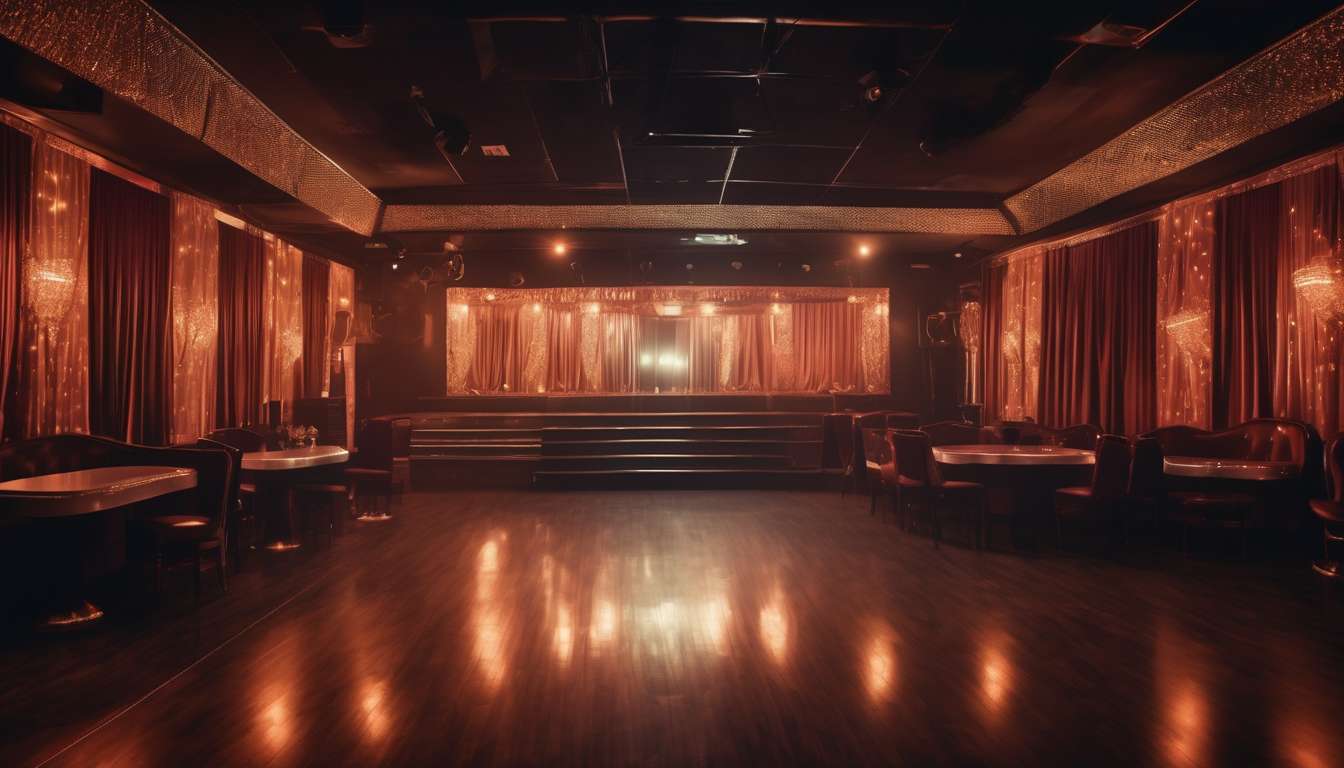
Never before have we faced a regulatory shift that so directly forces us to rethink the daily rhythms of an exotic dancing venue.
We confront a problem: mounting pressure from new workplace standards—covering safety protocols, labor classification, and harassment prevention—is colliding with long-standing operational practices built around discretion, tip-based economies, and performer autonomy.
As managers, staff, and dancers, we must navigate conflicting priorities: protecting workers’ rights while preserving the creative and financial fabric that defines our spaces.
This challenge demands pragmatic redesigns of:
- scheduling,
- security,
- contract terms, and
- customer policies,
plus honest dialogues about surveillance, consent, and income stability.
If we ignore these pressures, venues risk: costly litigation, staff turnover, and reputational damage.
If we respond clumsily, we may: erode the culture that makes our stages vibrant.
Our task is: to translate legal mandates into fair, feasible procedures that sustain both livelihoods and the industry’s unique culture.
Regulatory Landscape Overview
We outline the key federal, state, and local regulations that shape how exotic dancing venues must operate.
We recognize these rules together, knowing they protect both staff and patrons while fostering inclusion.
Worker classification.
Federal and state labor laws determine whether performers are employees or independent contractors, which affects pay, benefits, and rights.
Workplace safety standards.
We commit to meeting standards including:
- Building codes and properly maintained fire exits.
- Adequate lighting and clear sightlines where required.
- Training programs that reduce hazards and create predictable conditions for everyone.
Harassment prevention.
We prioritize preventing harassment through:
- Clear, written policies.
- Accessible reporting channels.
- Regular training so every team member feels supported and respected.
Licensing, zoning, and noise ordinances.
We follow local requirements to keep venues integrated into neighborhoods and compliant with community rules.
Compliance support and continuous improvement.
We understand compliance is complex, so we:
- Share resources and model policies.
- Encourage open dialogue to build community trust.
- Stay attentive to changes in statutes and local rulings to ensure venues remain lawful, safe, and welcoming for all who belong.
Labor Classification Challenges
We face tricky legal and practical questions when deciding whether performers are employees or independent contractors.
These determinations have major consequences for pay, benefits, taxes, and venue liability.
We’re committed to treating everyone with respect and clarity as we navigate worker-classification frameworks that vary by jurisdiction.
We recognize that classification affects access to minimum wage, scheduling protections, and employer-funded benefits.
We’re intentional about structuring contracts, payment practices, and oversight to reflect our shared values.
Clear classification supports consistent workplace safety standards and helps fund training and resources that protect performers.
By involving performers in policy discussions, we build trust and reduce confusion about expectations, schedules, and avenues for complaints.
We’ll document roles and compensation models transparently, consult legal counsel when rules shift, and prioritize systems that enable reporting and accountability.
This collaborative approach aligns legal compliance with community needs, reinforces harassment prevention efforts, and strengthens the sense of belonging that keeps our venues sustainable and respectful.
Safety and Security Protocols
We’ll establish clear, practical safety and security protocols that protect performers, staff, and patrons while enabling rapid response to incidents.
We design entrance screening, well-lit common areas, and visible staff presence so everyone feels included and secure.
We train teams on de-escalation, incident reporting, and first aid, tying those practices to broader workplace safety goals and consistent worker classification so responsibilities and protections are clear.
We create shared checklists for shift handovers, emergency exits, and equipment inspections, and we schedule regular drills so responses become routine.
We maintain confidential reporting channels and document incidents promptly, ensuring follow-up and support systems that reinforce community trust.
We coordinate with local authorities and medical services while keeping procedures proportionate and respectful.
Our protocols balance proactive prevention with compassionate response, recognizing that rigorous, equitable practices foster belonging and retain talent.
By embedding these measures into daily operations, we protect people, clarify roles, and sustain a venue culture that values safety and mutual respect.
Harassment Prevention Measures
We establish clear, enforceable policies and regular training that prevent harassment, support survivors, and hold perpetrators accountable.
We create a culture where everyone—performers, staff, and management—feels seen, heard, and protected.
Harassment prevention ties directly to worker classification so protections apply equally whether someone is an employee or contractor; clarity here reduces vulnerability and confusion.
We train consistently on bystander intervention, reporting channels, and confidentiality, and we practice scenarios that strengthen workplace safety.
We set transparent investigation procedures, timelines, and neutral reviewers to ensure fairness and restore trust.
- Survivor-centered remedies include:
- Schedule adjustments
- Reassignment
- Paid leave during investigations
- Access to counseling and legal referrals
We track incidents in an anonymized way to spot patterns and adjust policies proactively.
We solicit ongoing feedback and include workers in policy reviews so measures reflect lived experience.
By centering dignity and belonging, our harassment prevention approach makes venues safer, more equitable, and more resilient for everyone.
Scheduling and Compensation Models
Fair, transparent scheduling and compensation — goals and approach
We will balance performers’ autonomy with predictable earnings and operational needs.
Collaborative scheduling practices
- We will create schedules collaboratively with performers.
- We will post schedules well in advance to allow planning and reduce last‑minute disruptions.
- We will provide clear shift‑swapping protocols and a documented approval process for swaps.
- We will rotate peak and off‑peak slots so opportunity is shared equitably.
Worker classification and rights
- We will treat classification matters seriously and clearly document whether workers are employees or independent contractors.
- We will explain how classification affects rights, benefits, and pay calculations to prevent misunderstandings.
Compensation models
- We will adopt pay structures that combine guaranteed minimums with other earnings components.
- We will implement transparent tip‑pooling rules where agreed and clearly document how pooled tips are distributed.
- We will publish documented commission rates so performers can understand how commissions are calculated.
Pay transparency and dispute resolution
- We will publish regular pay statements that explain earnings components.
- We will establish and communicate a clear dispute procedure for pay or classification concerns.
Linking scheduling to safety and wellbeing
- We will ensure adequate staffing levels for security, breaks, and timely medical response.
- We will avoid scheduling back‑to‑back long shifts that raise safety and fatigue risks.
- We will honor schedule change requests related to safety or wellbeing and treat them with priority.
Manager training and consistent enforcement
- We will train managers to enforce harassment prevention policies consistently.
- We will train managers to respond appropriately to safety‑related scheduling requests and to facilitate equitable scheduling.
Ongoing review and feedback
- We will review scheduling and compensation models periodically with performers.
- We will use performer feedback to refine practices so the workplace remains equitable, safe, and sustaining for everyone.
Privacy and Surveillance Policies
We’ll clearly define what monitoring we use, why we use it, how long we retain data, and who can access it so performers’ privacy is protected and expectations are transparent.
We’ll explain camera locations, audio policies, and digital access logs in plain terms so everyone feels included and respected.
We’ll align surveillance with fair worker classification practices, ensuring monitoring doesn’t blur lines that affect independent contractor status or employees’ rights.
Surveillance purpose and limits
- Purpose: Surveillance exists to support workplace safety and harassment prevention, not to micromanage artistic expression.
- Limits: Monitoring will not be used to evaluate artistic performance, creative choices, or to exert control that could affect worker classification.
Data retention and publication
- Retention minimization: We’ll limit retention to the minimum needed for incident response or to satisfy legal requirements.
- Published schedules: We’ll publish clear retention schedules explaining how long each data type (video, audio, access logs) is kept and why.
Access controls and accountability
- Strict access: We’ll set strict access controls so only authorized staff and, when necessary, investigators can view recordings.
- Audit trails: We’ll maintain audit trails showing who accessed what, when, and why.
Performer involvement and remedies
- Input and updates: We’ll invite performer input on policy updates and incorporate reasonable suggestions.
- Complaint pathways: We’ll offer clear, confidential complaint and appeal processes for concerns about surveillance or misuse.
- Training and rights: We’ll provide training about camera locations, audio policies, data retention, and performers’ data rights.
Outcome: dignity and trust
- Balance: We’ll balance accountability with dignity so everyone can belong, feel safe, and trust the venue’s commitments.
Contractual Best Practices
We will create clear, fair contracts that spell out pay, scheduling, responsibilities, dispute resolution, and the limits of venue control so performers know their rights and obligations.
Key contract features:
- Pay and scheduling: explicit rates, payment timing, and schedule-change procedures.
- Responsibilities: duties for performers and venue/operators, including setup and teardown expectations.
- Dispute resolution: defined steps (informal resolution, mediation, arbitration) and timelines.
- Venue control limits: scope of venue rules and performer autonomy.
We will use plain language, consistent templates, and joint review sessions so everyone feels included and heard.
Process and collaboration:
- Plain-language templates: standardized, easy-to-read contract forms.
- Joint review sessions: meetings for performers and operators to discuss terms before signing.
- Accessible translations: translated contracts and explanations for non-English speakers.
Contracts will address worker classification explicitly, clarifying whether performers are employees or independent contractors and outlining tax and benefit implications.
Classification and financial implications:
- Clear classification: explicit statement of employment status.
- Tax and benefits: summary of tax responsibilities, eligibility for benefits, and related reporting.
- Advisory resources: guidance on where to get legal or tax help if needed.
We will detail standards that support workplace safety and set expectations for equipment, incident reporting, and emergency procedures.
Safety standards:
- Equipment and setup: safety requirements for sound, lighting, props, and load-in/load-out.
- Incident reporting: how to report accidents, timelines for reporting, and documentation required.
- Emergency procedures: evacuation plans, first-aid access, and responsible contacts.
We will include nondiscrimination clauses and practical steps for harassment prevention, with clear reporting channels, timelines, and protections against retaliation.
Protections and reporting:
- Nondiscrimination: explicit non-discrimination policy covering protected characteristics.
- Harassment prevention: concrete prevention steps and training expectations.
- Reporting channels: multiple reporting options (anonymous and named), response timelines, and confidentiality practices.
- Anti-retaliation: clear protections and consequences for retaliation.
Discipline and termination procedures will be transparent and appealable.
Discipline and termination:
- Transparent procedures: defined causes for discipline/termination and progressive steps.
- Appeals process: how to appeal decisions, timelines, and impartial review mechanisms.
We will also build in regular contract reviews, opt-in amendments with consent, and accessible translations.
Ongoing governance:
- Regular reviews: scheduled contract reviews (e.g., annually) with input from stakeholders.
- Opt-in amendments: procedures for voluntary changes requiring consent from affected parties.
- Accessibility: translations, plain-language summaries, and reasonable accommodation for understanding.
By committing to fair, readable agreements we strengthen trust, reduce disputes, and create a stable community where performers and operators collaborate under predictable, respectful terms.
Outcomes:
- Increased trust between performers and venues.
- Fewer disputes and clearer paths to resolution.
- Stable, predictable relationships that support a respectful performance community.
Balancing Culture and Compliance
We’ll balance the club’s creative culture with legal and regulatory requirements by setting clear norms that preserve performer autonomy while ensuring compliance and safety.
We commit to inclusive policies that recognize dancers as valued team members, address worker classification transparently, and protect rights without undermining artistic expression.
We’ll co-create guidelines that prioritize workplace safety—lighting, stage design, emergency procedures—and provide training so everyone feels competent and cared for.
We’ll establish straightforward reporting channels and regular reviews that center harassment prevention, ensuring complaints are handled promptly, confidentially, and with dignity.
We’ll keep communication open, inviting feedback and adapting rules when they impede creativity or safety.
We’ll document practices to satisfy regulators while framing them as tools that strengthen community trust.
We’ll also coordinate with legal counsel and local agencies to stay current on employment law and licensing.
By blending respect for performers’ autonomy with practical compliance steps, we’ll build a resilient venue culture where belonging, safety, and professional integrity reinforce one another.
How do licensing requirements for exotic dancing differ between cities and counties within the same state, and where can operators find a centralized resource to track those local variations?
Question: How does licensing for exotic dancing vary between cities and counties within the same state, and where can you find a central resource?
Short answer: Licensing and regulation for exotic dancing commonly vary significantly by city and county within a state. There is no single nationwide permit — local jurisdictions set their own rules on permit types, performer age limits, background checks, zoning, operating hours, and fees. For a central starting point, check state alcohol control boards and aggregated resources (state associations, industry groups, and legal databases), then confirm with municipal or county offices for local ordinances.
Typical areas that differ between jurisdictions
-
Permit / license types
- Some places require a business (club) license only.
- Others require separate performer permits, manager permits, and/or adult-entertainment-specific licenses.
-
Age limits
- Minimum performer ages may differ (commonly 18 or 21) depending on local ordinances and whether alcohol is served.
-
Background checks
- Some jurisdictions require state or local criminal-background checks and fingerprinting for performers or staff.
- Others require only ID verification or no formal background check.
-
Zoning and location rules
- Local zoning can restrict where adult-entertainment businesses operate (distance from schools, churches, parks, residential areas).
- Some municipalities prohibit them entirely in certain zones or citywide.
-
Hours of operation
- Cities/counties set opening and closing times; limits may differ between jurisdictions and may be stricter where alcohol is sold.
-
Fees and renewal
- Application fees, annual license fees, and renewal requirements vary widely by jurisdiction.
Where to find local rules (centralized starting points and how to follow up)
-
State-level starting points
- State Alcoholic Beverage Control (ABC) or liquor control board — often enforces rules where alcohol is served and may list local licensing contacts.
- State licensing or commerce departments — may host links to municipal and county licensing resources.
-
Local offices to confirm specific rules
- Municipal clerk’s office — for city ordinances, license applications, and zoning maps.
- County licensing or clerk’s office — for unincorporated area rules and countywide licenses.
- Local planning/zoning department — for location restrictions and special-use permits.
-
Aggregated resources
- State associations (e.g., municipal leagues) — sometimes compile model ordinances or links to local codes.
- Industry trade groups — may maintain guides to local requirements and best practices.
- Legal research databases and code compilers (e.g., Municode, American Legal Publishing) — searchable collections of local ordinances across many jurisdictions.
Practical steps to track and compare local rules
- Identify the jurisdictions you need (cities and counties).
- Search the jurisdiction’s municipal code (Municode or local website) for terms like “adult entertainment,” “sexually oriented business,” “exotic dance,” or “adult cabaret.”
- Check the city or county clerk’s licensing pages for application forms and fee schedules.
- Contact the local planning/zoning office to confirm distance and zoning restrictions.
- Check the state ABC/liquor-control website for overlapping alcohol-related requirements.
- Use legal research tools or industry associations for side-by-side comparisons when available.
Key takeaway: There is substantial local variation. Use state agencies as a centralized starting point, then confirm specifics with each municipal clerk, county licensing office, and local planning/zoning department. Aggregators like Municode, state municipal associations, and industry groups can speed research, but always verify with the local jurisdiction before acting.
What are practical steps venues can take to support dancers’ mental health and access to counseling without violating privacy or creating perceived favoritism?
Goal: Support dancers’ mental health and counseling access while protecting privacy and avoiding favoritism.
Offer anonymous, opt-in resources.
- Confidential counselor hotline — an externally hosted, 24/7 phone/online line people can access without identifying themselves.
- Vetted referral list (publicly posted) — a curated list of local therapists and services; include therapists experienced with dancers and note which accept sliding scale or insurance.
- Rotating on-site wellness workshops (open to all) — invite external facilitators for topics like stress management, body image, sleep, and financial stress; advertise broadly and rotate scheduling to maximize access.
Provide paid mental health leave and flexible use.
- Paid mental health days — a clear policy allowing a set number of paid days for mental health without requiring disclosure of diagnosis; process requests through HR or a neutral platform to avoid favoritism.
- Flexible scheduling — allow short-notice adjustments and makeup options so dancers using mental health leave don’t suffer punitive consequences.
Create small-group peer support with confidentiality rules.
- Voluntary, small cohorts — opt-in groups (4–8 people) facilitated by trained staff or external facilitators.
- Written confidentiality agreement — each group signs clear expectations about privacy, boundaries, and consequences for breaches.
- Rotation and anonymity options — rotate membership periodically and allow anonymous participation methods (e.g., submitting topics/questions ahead of time).
Collect regular anonymous feedback to guide equitable services.
- Anonymous surveys — short, frequent surveys about mental-health needs, barriers to access, and perceptions of fairness.
- Transparent reporting — share aggregated results and action steps with the company so services evolve based on collective needs.
Safeguards to protect privacy and avoid favoritism.
- Use external providers for counseling and hotlines so contact records aren’t stored internally.
- Centralize requests through neutral channels (HR portal or third-party vendor) to prevent managers from selectively approving leave or services.
- Publicize policies and resources broadly and uniformly — all announcements go to the whole company at the same time.
- Rotate workshop times, facilitators, and group memberships to ensure access across schedules and to avoid perceived perks for certain dancers.
- Enforce confidentiality with clear consequences and provide anonymous reporting options for breaches.
Next steps to implement.
- Identify and contract with an external counseling provider and hotline.
- Draft a paid mental health day policy and a confidentiality agreement template for peer groups.
- Create a vetted referral list and an anonymous survey cadence.
- Launch a communications plan that announces resources, how to opt in, and how equity and privacy will be maintained.
If you want, I can draft the sample mental health-day policy, a short confidentiality agreement for peer groups, or the text for a company-wide announcement. Which would be most useful next?
How should venues handle disputes between independent contractors who share shifts but have no formal employment relationship—are mediation services recommended, and who should pay for them?
Set clear house rules.
- Define expectations for conduct, shift responsibilities, and consequences for violations.
- Make rules written, easily accessible, and communicated to all contractors before shifts.
Offer neutral mediation.
- Provide a facility-paid independent mediator or allow parties to agree to split mediator costs.
- Ensure the mediator is impartial and trained in conflict resolution to avoid perceptions of coercion.
- Use a simple, time-limited mediation process so disputes are resolved quickly.
Clarify venue staff impartiality.
- Staff should remain neutral facilitators, not advocates for either party.
- Train staff on when to intervene for safety versus when to refer to mediation.
Document outcomes and protect privacy.
- Keep concise written records of disputes, agreements, and any follow-up actions.
- Limit access to records to necessary personnel; redact identifying details when possible.
Provide an accessible, transparent process.
- Ensure the procedure is simple to follow, with clear steps and contact points.
- Communicate timelines and expected next steps so everyone feels heard and safe.
Goal: foster a respectful community.
- Emphasize fairness, safety, and accountability so independent contractors sharing shifts can collaborate without fear of coercion or bias.
Conclusion
You’ve seen how evolving workplace standards force exotic dancing venues to rethink operations.
By addressing labor classification, safety, harassment prevention, scheduling, privacy, and contracts, you can protect workers and reduce legal risk while preserving venue culture.
Implement clear policies, train staff, and balance transparency with respect for performers’ autonomy.
Staying proactive and adaptable helps you meet regulatory demands without sacrificing creativity or patron experience—ensuring a safer, fairer, and more sustainable business.