
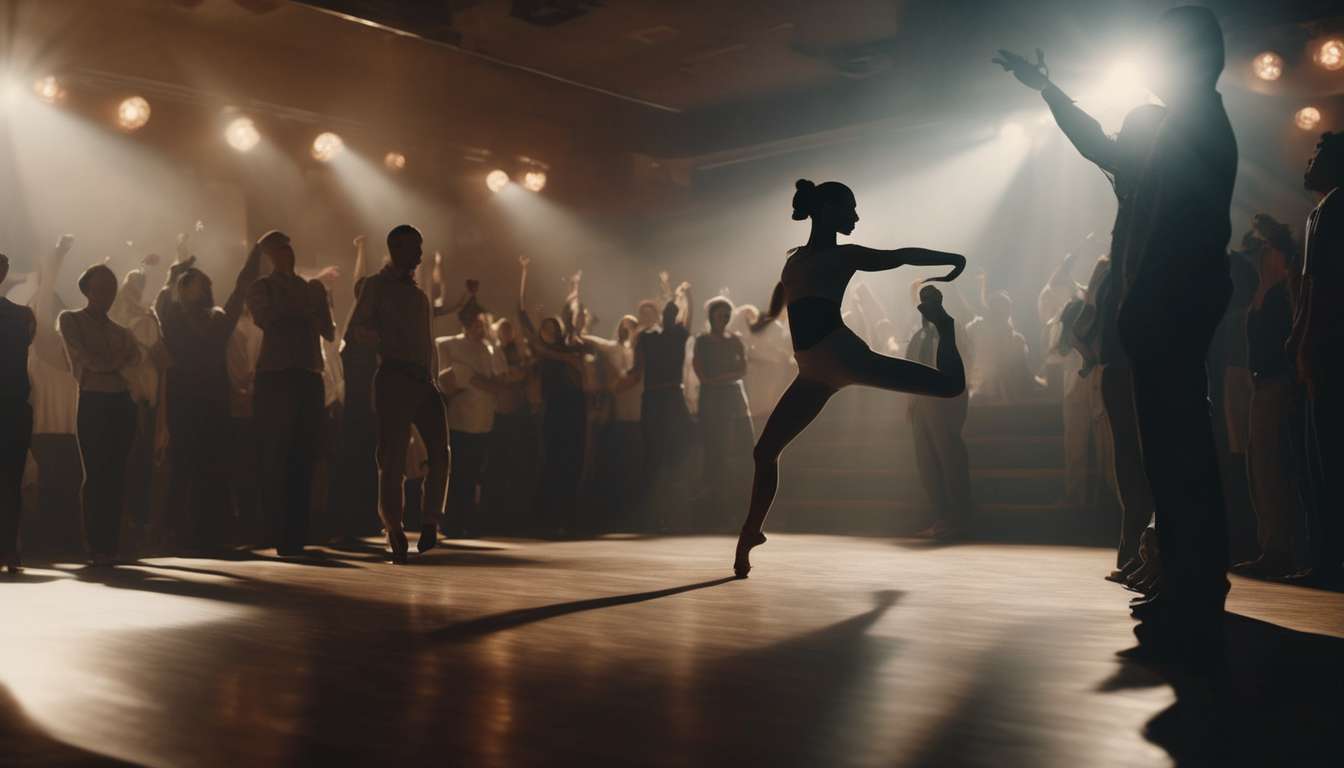
Sunlight filters through the club’s half-closed blinds as we watch a dancer tally tips into a notebook, not unlike a freelancer tracking invoices.
This anecdote—of ledger-bookkeeping beneath glitter—frames the shifting landscape: performers are asserting employment rights while publics reassess stigma.
We remember when conversations about exotic dancing centered on morality and danger; now they increasingly orbit wages, contracts, and workplace safety.
As scholars, advocates, and former performers, we have listened to hours of testimony where pride in skill and demands for labor protections sit side-by-side.
We trace how media narratives, union drives, and municipal regulations have nudged perceptions from taboo toward workerhood, and how pushback still colors judgment.
Our aim is to map this evolution: to show how debates over classification, bargaining power, and autonomy reshape not only policy but everyday empathy, revealing that attitudes toward exotic dancing are being renegotiated in the language of labor.
Historical Stigmas
We’ve long traced how historical stigmas around exotic dancing grew from moral panic, legal restrictions, and sensationalized media portrayals.
Those origins left many performers isolated, branded by assumptions that ignored economics, safety, and autonomy.
As a community, we see parallels between conversations about sex work and broader movements for labor rights.
Acknowledging that connection helps us build solidarity instead of shame.
Destigmatization isn’t just a slogan — it’s concrete work.
Key actions include:
- Sharing accurate stories that reflect lived experience.
- Supporting policy that protects people on the job.
- Creating spaces where dancers can claim dignity without judgment.
We welcome allies who listen and learn rather than lecture, and we commit to centering performers’ voices in public debate.
By reframing narratives from moral panic to rights-based concern, we create room for belonging and collective action.
That shift lays the groundwork for practical reforms and cultural change, but it starts with how we speak about one another and how we insist on being seen as whole people.
Labor Classification Battles
Many performers and advocates are contesting whether exotic dancers should be classified as employees or independent contractors.
This classification determines access to wages, benefits, and workplace protections.
- It affects eligibility for minimum wage and overtime.
- It determines access to unemployment insurance and other social safety nets.
- It shapes whether clubs must provide workplace safety measures.
As a community, we seek consistent labor rights that recognize exotic dancing as sex work without shame.
- We want legal status that reduces stigma and affirms dignity.
- We believe recognition should not force performers to choose between autonomy and protection.
Clear legal status can reduce exploitation by making employers accountable.
- Employers would be held responsible for payroll and tax compliance.
- Clubs could be required to provide training and enforce anti-harassment policies.
- Accountability can create more transparent and safer workplaces.
Opponents emphasize flexibility and autonomy; supporters point to frequent misclassification.
- Opponents: classification as independent contractors preserves scheduling freedom and perceived independence.
- Supporters: misclassification often masks employer control and deprives workers of basic protections.
We call for nuanced policy that centers worker voice and dignity while balancing autonomy with predictable protections.
- Develop evidence-based standards for distinguishing employees from contractors.
- Build enforcement mechanisms that prioritize worker safety and remedy violations.
- Center policy design on input from current performers to reflect real workplace dynamics.
By insisting on evidence-based standards and supportive enforcement, we aim to destigmatize the work and achieve practical reforms.
- The result should be safer, more equitable workplaces for everyone involved.
Unionization Efforts
Many performers are organizing to form unions or join existing ones so we can collectively bargain for safer conditions, fair pay, and workplace protections.
We’re building networks that center mutual care, sharing strategies for contract negotiation, harassment policies, and access to benefits.
By framing exotic dancing within broader sex work and labor rights movements, we connect with allies and strengthen our claims to dignity and legal recognition.
We want membership to feel inclusive, so we prioritize:
- accessible meeting times
- translation services
- confidential channels for those worried about stigma
Union drives help normalize conversations about safety, split tips, predictable schedules, and protections against arbitrary firings, reducing isolation and fear.
As we win small victories — written agreements, clearer complaint processes, or health resources — we reinforce belonging and encourage others to join.
Our organizing also advances destigmatization by showing that dancers are workers with rights, not caricatures.
Together, we’re shifting power from individual vulnerability toward collective bargaining and sustained community support.
Media Framing Shifts
More outlets are reframing exotic dancing as legitimate work rather than scandalous entertainment.
Coverage now emphasizes policy, safety, and worker voices.
- Journalists increasingly center dancers’ perspectives.
- Reporting connects exotic dancing to broader sex work and labor-rights conversations.
- Stories focus on organizing, wage disputes, and workplace hazards framed as solvable problems, not moral failings.
This shift helps create a sense of community and civic engagement.
- Readers encounter accounts of collective action and advocacy.
- Framing invites solidarity and validates dancers as stakeholders in public debates.
Reporting highlights destigmatization while acknowledging complexity.
- Journalists quote organizers, advocates, and policymakers.
- Personal accounts are linked to concrete reforms, such as:
- Contract standards.
- Anti-harassment measures.
- Workplace safety protocols.
Treating exotic dancing through a labor lens broadens inclusion and protection.
- Media narratives foster inclusion and expand who is considered part of the workforce deserving protection.
- Clearer, consistent coverage can strengthen policy conversations and normalize supports that improve safety and economic dignity for people in this field.
Municipal Regulation Impacts
Many cities have revised zoning, licensing, and safety rules for exotic dance venues, and those changes directly shape dancers’ working conditions, incomes, and access to protections.
We examine how municipal decisions redistribute opportunity:
- Restrictive zoning can push clubs to city edges, isolating performers from support networks and reducing customer flow.
- Burdensome licensing fees and opaque permit processes can exclude those without capital.
When regulations treat exotic dance as criminal-adjacent rather than as part of sex work and labor markets, stigma persists and collective bargaining becomes harder.
Conversely, thoughtful ordinances can foster inclusion and destigmatization by:
- simplifying licensing,
- protecting workers from arbitrary closure, and
- encouraging dialogue with performers.
These measures help communities see dancers as colleagues with labor rights.
We advocate for policy design that centers affected people, uses clear criteria, and measures economic impacts, so cities can balance neighborhood concerns with fairness.
By engaging performers in rulemaking, cities build belonging and ensure regulations uplift rather than punish those who work in this field.
Worker Safety and Rights
We must ensure dancers have clear legal protections, predictable workplace standards, and accessible channels to report abuse without fear of retaliation.
We recognize exotic dancers as workers whose safety and dignity matter, and we center policies that advance labor rights and the destigmatization of sex work.
We push for consistent enforcement of health and safety codes, anti-harassment policies, and transparent hiring and pay practices so people know what to expect on the job.
We support anonymous reporting systems, union access, and training for managers that prioritize de-escalation and respect.
We call for collaboration among venues, advocates, and local officials to craft rules that reduce exploitation rather than push it underground.
We know belonging comes from being seen and protected; when dancers have rights and recourse, the whole community is safer.
We’ll keep advocating for practical reforms that treat exotic dancing as labor deserving of protection, not shame, and we’ll measure success by fewer incidents, stronger contracts, and greater worker voice.
Public Opinion Trends
Across many communities, public opinion about exotic dancing is shifting.
We’re seeing growing support for legal protections and safety measures alongside persistent stigma that still shapes policy debates.
Surveys and local forums show changing attitudes.
Neighbors increasingly voice empathy for performers as workers, not caricatures, and conversations are framing exotic dancing within broader sex work and labor rights discussions.
Coalition-building is emerging across different stakeholders.
- Activists, patrons, and some employers are forming alliances.
- They push for harm reduction, consistent enforcement of anti-harassment rules, and access to benefits.
Stigma continues to impede progress.
Media portrayals and certain political messaging maintain negative stereotypes, which fragments public consensus and slows common-sense reforms.
Effective narratives help bridge divides.
- Emphasize dignity and choice.
- Promote shared workplace standards.
- Center performers’ experiences and evidence-based approaches.
By listening and elevating evidence, we can move toward practical support and destigmatization.
This approach aims to create safer, fairer environments while still acknowledging and addressing community concerns about exploitation and consent.
Future Policy Debates
Looking ahead, we’ll face debates over regulations that balance performers’ safety and autonomy with community concerns, and we’ll need clear evidence to guide policy choices.
We’ll approach future policy debates as a shared project:
- Crafting rules that protect people who work in clubs while respecting their choices.
- Centering voices of those with lived experience in sex work and pairing them with data on occupational hazards, so policies reflect real needs rather than assumptions.
We’ll argue for labor rights that ensure access to health care, fair pay, and workplace protections, while promoting destigmatization to reduce barriers to legal remedies.
We’ll also weigh zoning, licensing, and enforcement to avoid creating clandestine conditions that harm performers.
In our community, we’ll insist on participatory rulemaking, neutral evaluation metrics, and sunset clauses to adapt policies as evidence grows.
By staying accountable and inclusive, we’ll build frameworks that protect dignity, safety, and belonging for performers and neighbors alike.
How do dancers’ personal backgrounds (education, family status, other employment) influence public perceptions of the industry?
Current Question: How do dancers’ personal backgrounds shape perceptions of the industry?
Visibility of personal backgrounds humanizes dancers.
- When dancers’ education, family roles, and other jobs are visible, people tend to humanize them and perceive complexity rather than stereotypes.
- Visible backgrounds counter one-dimensional portrayals and invite audiences to see dancers as whole people.
Belonging and empathy grow from varied life paths.
- Showing varied life paths fosters empathy and reduces stigma.
- Emphasizing belonging signals that dancers share common social roles and responsibilities with the wider community.
Highlighting diverse stories changes outcomes.
- Highlighting diverse stories fosters respect and encourages policy support for dancers.
- It reminds communities that dancers are multifaceted individuals whose needs and contributions merit recognition.
What role do patrons’ demographics (age, gender, socioeconomic status) play in shaping attitudes toward exotic dancing?
Patron demographics shape attitudes. Age, gender, and class each influence expectations and judgments about club interactions and performers.
Age differences. Younger patrons often embrace dancers’ autonomy and progressive norms, while older patrons may hold more conservative views.
Gender effects. Gender influences whether interactions feel respectful or objectifying.
Socioeconomic status colors perspective. Wealthier patrons may treat clubs primarily as entertainment, while lower‑income patrons may view them through different moralizing or practical lenses.
Responsive outreach. We listen, compare experiences, and adjust outreach strategies to foster inclusion.
Are there notable international differences in public perception and labor policy toward exotic dancing that U.S. debates could learn from?
We think international differences matter: some countries treat exotic dancing as work with labor protections, while others criminalize parts of the industry.
We’ll look to specific models for guidance:
- Germany and New Zealand — examples for worker rights and regulatory frameworks.
- Nordic approaches — examples for strict limits and prohibitionist strategies.
We will adopt inclusive language and center dancers’ safety and agency.
We will push for balanced policy that combines:
- Legal protections (labor rights, anti-discrimination, ability to organize).
- Health services (accessible sexual and mental health care, harm reduction).
- Community support (peer-led programs, exit support, stigma reduction).
Overall goal: reduce stigma and exploitation through policies that respect workers’ rights and prioritize safety.
Conclusion
You’ve seen how perceptions of exotic dancing have evolved from moral stigma to labor-rights debates, influenced by courtroom fights over classification, organizing efforts, shifting media frames, and local regulations.
As public opinion grows more focused on safety, wages, and dignity, future policy will hinge on balancing community standards with workers’ rights.
Expect the conversation to keep centering practical protections and labor recognition rather than only moral judgments.