
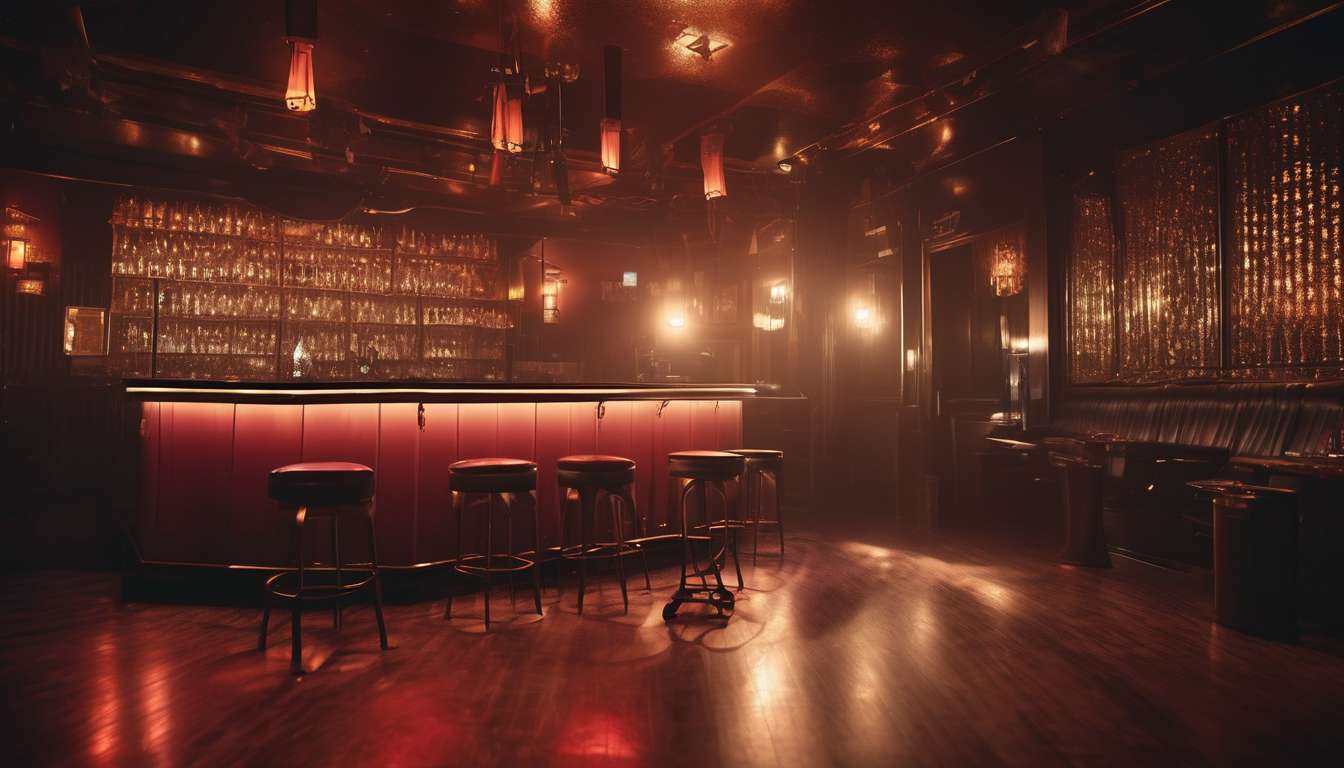
Right before last call, we watched a dancer pause mid-routine when a loose light fixture began to swing above the stage, and we realized how unprepared we were for anything beyond the usual rowdy nights.
We run a venue where creativity and risk mingle, yet until that moment we treated insurance as a checkbox rather than a strategic safeguard.
That pause forced us to imagine other scenarios:
- a patron slipping near the bar,
- a performer injured during a complicated aerial trick,
- a sudden closure after a misunderstanding with local regulators,
and to confront how vulnerable our livelihoods are.
As owners, managers, and promoters within the exotic dancing scene, we must rethink traditional risk assumptions and tailor our protection to the realities on our stages.
This article explores:
- Why insurance planning has become essential for exotic dancing venues,
- How specific policies address our unique exposures,
- Practical steps we can take to shield performers, staff, and business investments without compromising the atmosphere that defines us.
Assessing Venue Risks
Identify and prioritize risks.
We start by identifying the specific physical, operational, and event-related risks each exotic dancing venue faces, then prioritize them by likelihood and potential impact.
Map hazards and rank them.
- Slip-and-fall areas
- Sound and lighting failures
- Crowd-control pinch points
We map these hazards and rank them so mitigation resources focus on the highest-risk items.
Protect performers.
- Secure changing areas
- Clear stage boundaries
- De-escalation protocols
These protections ensure performers feel respected and safe.
Plan for business interruption scenarios.
We consider scenarios that could trigger business interruption — for example, power outages or public health orders — and estimate likely downtime and cashflow needs.
Assign responsibilities and controls.
- Document who’s responsible for each mitigation action.
- Specify required training.
- Identify which controls reduce frequency versus those that reduce severity.
This clarity supports execution and continuous improvement.
Align risk profile with insurance needs.
We use the assessed and prioritized risks to discuss liability insurance with carriers without conflating policy types, showing which coverage limits and endorsements are relevant.
Collaborative risk assessment builds resilience.
By assessing risks together and setting shared priorities, we create a stronger, more inclusive venue that protects staff, performers, and patrons while keeping the business resilient.
Liability Coverage Needs
We’ll review the specific liability exposures — from patron injuries to allegations of assault or discrimination — and match them to the coverages and limits that will actually protect the venue’s assets and operations.
We’ll identify common risks:
- Slips and falls
- Fights and assaults
- False-arrest claims
- Alleged discrimination
We’ll map those risks to appropriate coverages:
- General liability — bodily injury, premises liability, and third‑party property damage.
- Liquor liability — alcohol‑related injuries or property damage when alcohol service is a factor.
- Employment Practices Liability (EPL) — claims of harassment, discrimination, wrongful termination, and related employment torts.
We’ll recommend limits scaled to venue size and local litigation climate.
This ensures the community and stakeholders feel secure and included, and that limits are practical given local jury awards and defense cost trends.
We’ll explain how liability insurance complements performer protection without preempting next topics.
- Coordinate coverages so performer contracts and the venue’s policies work together.
- Use clear contract terms that specify required coverages, additional insureds, and indemnity obligations.
We’ll consider third‑party claims and the impact of legal defense costs on reserves.
- Emphasize policies that pay defense costs outside policy limits where possible to avoid eroding limits available for settlement.
- Clarify duty‑to‑defend versus duty‑to‑indemnify language in policy wording.
We’ll include business interruption wording that addresses closures after covered incidents.
This protects staff and performers by covering lost income and extra expenses during necessary shutdowns following a covered loss.
We’ll advocate for periodic reviews, shared decision‑making with performers and managers, and transparent claims procedures.
- Schedule regular policy and limits reviews (annually or after major incidents).
- Involve performers and management in insurance discussions and contract terms.
- Publish clear, accessible claims reporting and response procedures.
Because belonging means everyone participates in preserving the venue’s financial and cultural resilience, these steps create a practical, community‑oriented insurance strategy that balances protection, clarity, and inclusivity.
Protecting Performers
We’ll prioritize measures that directly safeguard performers’ health, earnings, and legal rights while keeping the venue operational.
We build a culture where everyone feels seen and supported, and we back that with clear policies:
- Incident reporting procedures.
- Access to first aid and on-site security.
- Regular consent-based boundary training.
We’ll mandate performer protection clauses in contracts that define pay, tips handling, and private booking protocols so earnings aren’t jeopardized by disputes.
We’ll carry liability insurance that specifically covers participant injuries and third-party claims, and we’ll review limits and endorsements with carriers who understand our work.
We’ll prepare for business interruption by documenting payroll and performer agreements so temporary closures don’t erase compensation responsibilities:
- Document performer contracts and payroll records.
- Maintain contingency funds for short-term disruptions.
- Provide short-term wage protection where feasible.
We’ll keep open communication channels, involve performers in policy updates, and audit protections regularly so everyone trusts that safety, dignity, and financial stability are priorities.
Property and Equipment
Inventory and insurance for equipment and property
We’ll inventory and insure all key property and equipment—from staging and lighting to sound systems and furnishings—to minimize downtime and replacement costs after damage or theft.
We’ll document serial numbers, purchase dates, and condition, and choose coverage that complements liability insurance so patrons and performers are protected if equipment failure causes injury.
Performer-focused coverage
We’ll prioritize performer protection by covering specialized costumes, private dressing area fittings, and portable staging that helps artists do their best work.
Endorsements and coverages to add
- We’ll include endorsements for vandalism, theft, and accidental damage common in late-night venues.
- We’ll compare replacement-cost versus actual-cash-value terms to avoid coverage gaps.
Operational controls and training
- We’ll maintain an agreed-upon inventory schedule.
- We’ll train staff on secure storage and incident reporting.
- We’ll keep everyone informed and included in inventory and security processes.
Outcome
This practical approach keeps our venue resilient and reassures the whole team that we’re protecting livelihoods and shared spaces without leaving valuables exposed.
Business Interruption Plans
We’ll develop a business interruption plan that protects revenue, payroll, and reopening costs if an unexpected closure disrupts operations.
We’ll assess likely stoppages — fires, storms, utility failures — and quantify:
- lost income
- ongoing expenses
- extra reopening costs
We’ll coordinate with our liability insurance carrier to confirm how business interruption coverage integrates with general liability and performer protection provisions, ensuring claims don’t conflict.
We’ll set clear documentation practices:
- daily sales logs
- payroll records
- vendor contracts
- incident reports
We’ll build financial resilience by:
- Creating a cash reserve to cover immediate needs.
- Identifying emergency credit lines to bridge waiting periods.
We’ll define roles and communications so staff and performers feel supported and know who to contact.
We’ll review insurance details regularly:
- policy limits
- indemnity periods
- exclusions
Together, we’ll adapt coverage as the venue grows and create a resilient approach to business interruption that safeguards our team, our performers, and our shared livelihood.
Regulatory Compliance Insurance
We’ll secure regulatory compliance insurance that covers fines, licensing disputes, and costs tied to inspections or ordinance changes so the venue can operate without unexpected legal or administrative interruptions.
We know rules shift and communities watch closely; together we’ll choose coverage that aligns with local codes and supports our team.
Regulatory policies often sit alongside liability insurance, filling gaps when enforcement actions threaten cash flow or reputation.
We’ll prioritize performer protection by ensuring clauses address credential disputes, permit lapses, and legal fees tied to employment classification or safety compliance.
That keeps performers confident and the staff united, knowing we respond quickly to enforcement notices.
We’ll also account for business interruption stemming from temporary closures ordered by regulators.
Coverage can reimburse:
- Lost income.
- Payroll.
- Relocation expenses while corrective actions are taken.
We’ll work with brokers who understand adult-entertainment nuances and push for:
- Clear policy definitions.
- Prompt claims handling.
- Relevant endorsements reflecting commitment to legal compliance and collective wellbeing.
Tailoring Policy Options
We’ll customize policy options to match venue size, revenue streams, performance styles, and the specific risks our team faces.
Together we’ll assess which core coverages fit us:
- Liability insurance — to protect against third‑party claims.
- Performer protection — for on‑stage incidents and performer injuries.
- Business interruption — to safeguard income if we must close temporarily.
We’ll prioritize clarity—defining limits, deductibles, and exclusions so everyone feels secure and informed.
We’ll consider layered approaches:
- A general liability base.
- Endorsements for performer protection.
- A standalone business interruption policy tied to realistic revenue projections.
We’ll compare carriers that respect our industry and offer flexible wording for unique performance types.
We’ll negotiate transparent claims processes and choose brokers who:
- listen,
- include performers in discussions,
- treat staff as stakeholders.
By tailoring policies to our collective needs, we build resilience and belonging—ensuring that when something goes wrong, we recover with dignity and continuity, keeping our community and livelihood protected.
Implementing Risk Management
We’ll put practical risk controls in place—training, protocols, and venue modifications—to prevent incidents before they trigger a claim.
Planned actions:
- Training: develop clear onboarding and de-escalation training for staff and performers.
- Protocols: standardize incident reporting and establish performer protection measures (designated security, private changing areas, enforced boundaries).
- Venue modifications: review lighting, stage construction, floor materials, and access points to reduce slips, falls, and conflicts.
- Safety audits: schedule regular safety audits so everyone feels seen and supported.
We’ll coordinate these controls with our liability insurance provider to make sure coverage aligns with on-the-ground practices and helps lower premiums.
Insurance and mitigation coordination:
- Alignment: confirm that policies and endorsements reflect implemented controls.
- Premium reduction: document and share mitigation measures with insurer to seek lower premiums or better terms.
- Claims readiness: ensure incident reporting and documentation meet insurer requirements.
We’ll create contingency plans for business interruption that outline rapid communication, temporary relocation options, and payroll continuity so our team isn’t isolated by an unexpected shutdown.
Business continuity elements:
- Rapid communication plan for staff, performers, vendors, and patrons.
- Temporary relocation and booking contingencies for scheduled events.
- Payroll continuity and financial reserves to support employees during shutdowns.
We’ll document all policies, train consistently, and invite feedback from performers and staff.
Ongoing governance:
- Documentation: maintain up-to-date manuals and checklists.
- Training cadence: set recurring training and refreshers.
- Feedback loop: invite performer and staff input and incorporate practical suggestions.
By doing this together, we strengthen safety, preserve livelihoods, and show we belong to a responsible, resilient venue community.
What types of insurance discounts or premium credits are commonly available to exotic dancing venues for implementing safety or loss-prevention programs?
Question: Which insurance discounts or credits can venues get for safety or loss-prevention programs?
Answer:
Common measures that often reduce insurance premiums:
- Alarm systems (monitored intrusion alarms)
- CCTV / video surveillance
- Well-documented staff training (safety, emergency response, responsible alcohol service)
- Background checks for employees and contractors
Other eligible credits or reductions:
- Improved lighting (parking lots, entrances, walkways)
- Secured entry (controlled access, locks, deadbolts)
- Liquor liability prevention (server training, ID verification, policies)
- Formal incident reporting (consistent documentation and follow-up)
Certified programs and insurer partnerships typically yield tangible savings:
- Security patrols — when contracted patrols meet insurer standards and are documented.
- Safety audits / risk assessments — completed by qualified providers and shared with the insurer.
- Formal certification or verification — insurers often give credits for third‑party certification or documented compliance with specific programs.
Practical notes:
- Documentation matters: detailed records, policies, training logs, and incident reports help qualify for credits.
- Insurer requirements vary: savings depend on insurer guidelines, the scope of measures, and proof of ongoing compliance.
- Combine measures for bigger impact: multiple, coordinated controls (technology + training + procedures) typically produce larger premium reductions.
If you’d like, I can draft a checklist you can use to present these measures to your insurer or a sample one‑page summary to request credits from carriers.
How do insurance needs change when an exotic dancing venue hosts private events, bachelor/bachelorette parties, or off-site performances?
When hosting private events, bachelor/bachelorette parties, or off-site performances, insurance needs change.
Key increases and endorsements:
- Liability limits usually must rise.
- Event-specific endorsements may be required.
- Hired/borrowed auto coverage is often needed.
- Liquor liability is necessary if alcohol is served.
Property and equipment protection:
- Non-owned/leased property protection for venue or rented assets.
- Coverage for off-site equipment transport.
Participant and contractual protections:
- Participant injury waivers to reduce exposure.
- Document contracts with venues clearly.
- Confirm additional insured status for the venue and other parties.
Coordination and documentation:
- Coordinate with insurers beforehand to confirm coverages and limits.
- Ensure all required endorsements and certificates are in place before the event.
Can an exotic dancing venue insure revenue from online content or virtual performances, and what specific coverages apply?
Question: Can an exotic dancing venue insure revenue from online content or virtual performances, and what coverages apply?
Short answer: Yes. Revenue from streams and digital sales can be insured using a combination of cyber liability, media/content insurance, and contingent business interruption. Additional protections like intellectual property (IP) coverage, revenue protection riders, and errors & omissions (E&O) for talent should also be considered.
Relevant coverages and what they address:
-
Cyber liability
- Protects against data breaches, ransomware, and other cyber incidents that interrupt streaming or expose customer data.
- May cover notification costs, regulatory fines (where insurable), and business interruption due to cyber events.
-
Media / content insurance
- Covers loss or damage to digital content, distribution problems, and third‑party claims arising from content (defamation, invasion of privacy, right of publicity).
- Can include indemnity for takedowns or claims alleging infringement.
-
Contingent business interruption
- Covers lost revenue when a third‑party outage (platform, CDN, payment processor) prevents access to streams or sales.
- Important for reliance on third‑party streaming platforms.
-
Intellectual property protection
- Covers defense and settlement costs for IP disputes (copyright, trademark, right of publicity).
- Can include coverage for licensing disputes or unauthorized use of performers’ images.
-
Revenue protection riders / gross earnings extensions
- Policy endorsements that specifically insure specified digital revenue streams (pay‑per‑view, subscriptions, tip/donation platforms).
- Define agreed values or monthly averages to determine loss payments.
-
Errors & omissions (E&O) for talent and content creators
- Protects against claims of negligence or failure to deliver contracted content, and breach of contract by performers or producers.
- Helpful where creators enter platform agreements or offer paid performances.
Practical steps to secure appropriate coverage:
-
Work with an experienced broker to describe your:
- Streaming platforms, hosting/CDN, and payment processors.
- Revenue streams (subscriptions, PPV, tips, digital sales).
- Contracts with performers and platform terms.
-
Ask carriers about:
- Specific cyber and contingent BI wording that includes outages of platforms and processors.
- Media liability limits and defenses for reputation/rights claims.
- Options for agreed‑value or monthly income definitions for digital revenue.
-
Negotiate endorsements for:
- Explicit coverage of streaming interruptions and platform outages.
- Coverage for personae/performer publicity rights and IP claims.
- E&O for talent where contracts shift risk.
-
Implement risk controls to reduce premiums and claim friction:
- Use reputable payment processors and redundant streaming solutions.
- Maintain clear talent agreements with indemnities and rights licenses.
- Keep cybersecurity controls and backups for content.
Key caveats:
- Policies vary widely; some carriers exclude “adult” content or have strict underwriting. Disclose the nature of the business to avoid coverage denial.
- Regulatory fines and some intentional wrongful acts may be excluded.
- Coverage limits, waiting periods, and defined triggers (e.g., physical damage vs. non‑physical cyber event) materially affect recoveries.
Next steps I can help with:
- Draft a disclosure summary to give to brokers underlining platforms, revenue types, and performer agreements.
- Create a checklist of policy wordings and endorsements to request from carriers.
- Identify questions to screen brokers for experience with adult/entertainment streaming risks.
Conclusion
You’ve seen how insurance moves from optional to essential for exotic dancing venues — you need to assess risks, secure liability coverage, and protect performers.
Don’t forget property, equipment, and business interruption plans, plus regulatory compliance and tailored policy options.
By implementing practical risk management, you’ll reduce exposure and keep operations stable.
Prioritize clear policies, regular reviews, and open communication with insurers so your venue stays protected, compliant, and resilient.